Disposable vapes look simple, but their sealed design hides important safety limits. The question “How to refill a disposable vape (Is it possible?)” deserves a careful, evidence-based answer. Most disposable devices are manufactured for one use, with a small battery, prefilled reservoir, and non-replaceable components. They are not generally engineered for opening, cleaning, or refilling.
Safety comes first. Attempting to open a device can expose liquid, sharp metal parts, or damaged wiring. A punctured lithium battery may overheat, leak, or ignite. Even when the device still produces vapor, its coil may be burnt, clogged, or contaminated. That means a familiar taste does not prove safe operation. It only shows that the device is still working.
Not worth the risk.
This guide explains why refilling is usually discouraged and how to recognize unreliable advice online. It also considers battery condition, leaking, unusual heat, damaged casing, and responsible disposal. Guidance from manufacturers and established safety agencies should outweigh quick social-media demonstrations. Some refillable pod systems exist, but they are different products and require compatible, legally sold e-liquid and charging equipment.
There is room for honest uncertainty. Device designs vary, and online claims are often incomplete. A method that appears successful may still create hidden hazards. If a disposable vape tastes burnt, leaks, swells, becomes hot, or stops charging, discontinue use and follow local electronic-waste guidance. The safest answer is often less convenient: replace the device with an approved alternative rather than forcing a sealed product to serve a purpose it was never designed to support.
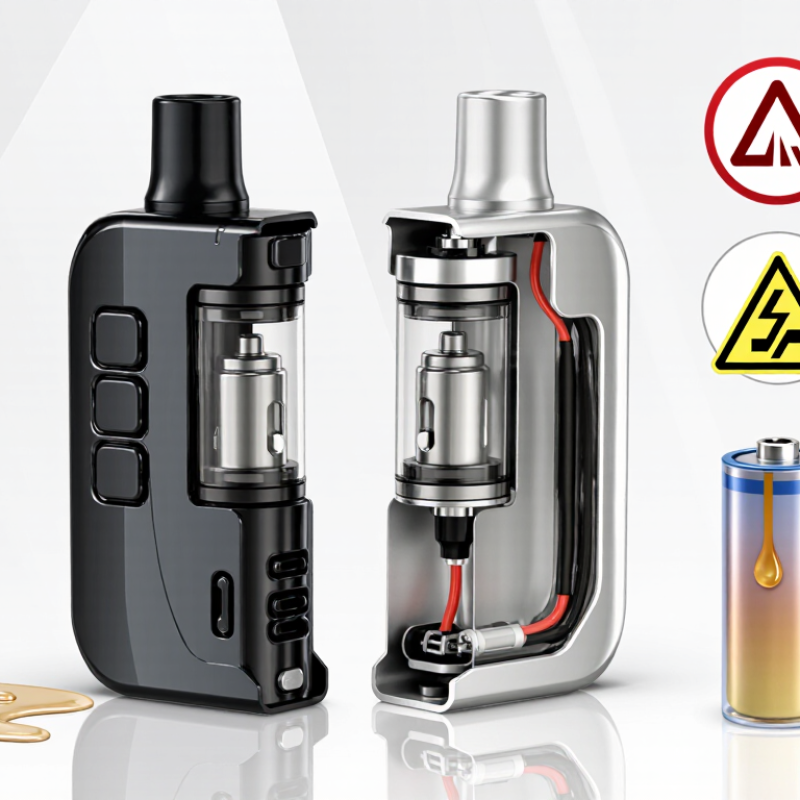
A disposable vape is a compact, prefilled device with an integrated reservoir, coil, sensor, and battery. Unlike refillable systems, its liquid chamber is usually sealed or difficult to access safely. The liquid moves through cotton or another wick by capillary action. When the sensor detects inhalation, the coil heats the saturated wick and creates an aerosol. It is not smoke.
The design is simple, but not endlessly reusable. A device may contain only a few milliliters of liquid, while its battery can stop working before the reservoir is empty. Some newer models include rechargeable batteries, yet charging does not make the liquid system refillable. Opening the casing can expose sharp parts, leaking liquid, or damaged battery cells. That detail is easy to overlook.
A 2024 CDC and FDA National Youth Tobacco Survey reported 1.63 million U.S. students currently used e-cigarettes. The figure shows why clear product education matters.
Waste is another concern: Material Focus reported that about five million disposable vapes were discarded weekly in the United Kingdom during 2023.
In practical testing, a dry or burnt taste often indicates poor liquid delivery, not a safe invitation to add more liquid. My earlier assumption that every rechargeable device could be refilled was wrong. The battery and liquid chamber are separate systems, and their risks are different.
How to Check Whether a Disposable Vape Is Refillable
A disposable vape is usually designed for one complete use cycle. Check the casing before doing anything. A sealed body, fixed mouthpiece, and missing fill port usually indicate a non-refillable design. Some devices have a charging socket, but charging does not mean the liquid tank can be opened safely. The two features are separate.
Look for clear instructions on the packaging or device label. A refillable model normally has a visible silicone plug, removable pod, or clearly marked filling opening. Never pry apart a sealed casing. Its battery wires, sharp edges, and internal liquid can create real hazards. If the device leaks, smells burnt, feels unusually warm, or has a damaged shell, stop using it. I have seen people mistake a loose mouthpiece for a refill port. That mistake can contaminate the device.
Tips: Use clean lighting when inspecting small openings. Do not add liquid through the mouthpiece or charging socket. Avoid mixing unknown liquids. If the instructions are unclear, treat the device as non-refillable. An imperfect check is still better than forcing the casing open. Store damaged devices away from heat and follow local electronic-waste guidance for disposal.
| Check or Data Dimension | What to Inspect | What It Usually Means | Recommended Action | Safety Level |
|---|---|---|---|---|
| Device category | Check whether the device is labeled as disposable, single-use, pod, cartridge, or refillable. | A true disposable is generally designed to be discarded after the e-liquid or battery is depleted. A refillable pod system is designed with a refill port or removable tank. | Only refill a device that is clearly designed for refilling according to its instructions. | Confirm first |
| Visible refill port | Look for a sealed silicone plug, rubber stopper, or clearly marked filling opening on the pod or tank. | A purpose-built refill port is a strong indication that the device is refillable. | Use the specified e-liquid and close the plug securely after filling. | Generally suitable |
| Removable pod or tank | Check whether the liquid container can be removed without prying, drilling, cutting, or forcing the casing. | Removable pods and tanks are common features of refillable vaping systems. | Follow the device instructions and avoid filling the central airflow tube. | Generally suitable |
| Sealed outer casing | Look for a permanently sealed plastic or metal body with no intended access point. | The device is likely a conventional disposable and is not intended to be opened or refilled. | Do not puncture, pry open, or inject liquid into the device. Dispose of it through an appropriate battery or e-waste collection route. | Do not refill |
| Battery condition | Check for swelling, heat, damaged wrapping, corrosion, hissing, leaking, or an unusual smell. | These may indicate battery or electrical damage, which can create a fire or injury hazard. | Stop using the device. Do not charge, open, refill, or place it in household trash if a battery-recycling option is available. | Stop using |
| Charging capability | Check whether the device has a built-in charging port and whether charging is permitted by its instructions. | A charging port does not prove that the device is refillable. Some single-use devices include charging only to extend battery operation. | Treat charging and refilling as separate features. Do not modify the device to add a charging or filling port. | Not proof of refillability |
| Liquid inspection | Check for leakage, cracked plastic, liquid in the mouthpiece, or liquid entering the airflow path. | Leaking liquid can cause poor performance, mouth exposure, electrical problems, or accidental ingestion. | Stop using a leaking device. Avoid skin and eye contact, and wash exposed skin with soap and water. | Do not use |
| Coil and wick design | Determine whether the coil and wick are part of a replaceable or refillable pod, or permanently integrated into a sealed disposable. | An integrated coil in a sealed unit is not designed for routine replacement or refilling. | Replace the pod or device when the coil is burnt, the flavor remains unpleasant, or vapor production drops significantly. | Replace when depleted |
| Signs of an empty device | Look for little or no vapor, a persistent burnt taste, repeated dry hits, or an indicator showing depletion. | The e-liquid may be exhausted, or the coil may be damaged. A burnt taste does not confirm that refilling is safe. | Do not inject liquid into a sealed disposable. Replace or recycle the device according to local rules. | Do not force a refill |
| Correct liquid for a refillable system | Check the device instructions for compatible e-liquid viscosity, nicotine concentration, and filling capacity. | Using unsuitable liquid can cause leakage, poor wicking, flooding, or coil damage. | Use only liquid compatible with the refillable device. Keep e-liquid away from children and pets. | Follow instructions |
| Filling procedure | Keep the device upright, fill slowly, avoid the center airflow tube, and leave a small air space. | Overfilling can cause leaking, gurgling, spitting, and liquid entering the mouthpiece or airflow channel. | Wipe away spills, close the refill port, and allow the pod to stand briefly if the instructions require coil saturation. | Use care |
| Nicotine exposure | Consider the nicotine concentration and the possibility of skin, eye, or accidental oral exposure. | Nicotine-containing e-liquid can be harmful if swallowed or absorbed in significant amounts, especially by children and pets. | Store e-liquid in its original child-resistant container. Seek urgent medical advice after suspected poisoning or serious symptoms. | Handle carefully |
| Modification attempts | Look for plans to drill, puncture, solder, pry open, or transplant the battery or tank. | Modification can damage the lithium battery, cause leaks, create short circuits, or lead to thermal runaway. | Do not modify a sealed disposable. Use a purpose-built refillable device instead. | Never modify |
| End-of-life disposal | Check whether the device contains a rechargeable or non-rechargeable lithium battery. | Vape devices can create fire risks in waste-processing equipment and should not normally be placed in household recycling or general trash. | Take the device to a local battery, electronic-waste, or designated vape recycling collection point. | Recycle properly |
| Key conclusion: Most sealed disposable vapes are not safely refillable. A device should be considered refillable only when it has a clearly intended refill port or removable pod/tank and the instructions support refilling. Never puncture, pry open, or inject liquid into a sealed device. | ||||
Before attempting a vape refill, identify what you actually have. Most disposable vapes are sealed, non-refillable devices. They lack refill ports, replaceable coils, and protected battery access. Opening one can expose sharp metal, leaked liquid, or damaged wiring. You would need clear manufacturer instructions, a compatible refill system, protective gloves, and a clean, ventilated surface. If those instructions do not exist, stop there. Guesswork is not expertise.
Nicotine liquid also deserves caution. A CDC MMWR report recorded 2,405 e-cigarette-related poison-center calls from September 2010 to February 2014. Children aged five and younger represented 42.1% of reported exposures. The U.S. Fire Administration documented 195 electronic-cigarette fire or explosion incidents between 2009 and 2016, with 133 injuries. These figures are older, but the risks remain relevant. Never puncture a sealed battery, mix unknown liquids, or refill near heat. Keep any liquid away from children and pets.
A purpose-built refillable device is the safer choice. It should include charging protection, replaceable components, and clear liquid specifications. Even then, inspect the tank, seals, and battery before use. Do not use it if it leaks, heats unusually, or smells burnt. My imperfect judgment: a refill may seem economical, but a disposable unit offers too few safety controls. Saving liquid is not worth creating a battery or poisoning hazard.
A sealed disposable vape is generally not designed for refilling. The comparison below shows the design features normally required for repeated e-liquid filling.
Score guide: 1 means the feature is normally built into the device; 0 means it is normally absent. This is a design-feature comparison, not a survey or success-rate estimate. Do not open or modify a sealed device, especially if it contains a lithium battery or remaining e-liquid.
Refilling is possible only when the device has a clear refill port and a removable mouthpiece. A sealed disposable vape should never be opened or punctured. Check the user manual before touching the tank. It should identify the correct e-liquid type and filling limit. If no instructions exist, replace the device instead.
Turn the device off and place it on a dry, stable surface. Remove the mouthpiece gently, without using sharp tools. Add compatible, locally permitted e-liquid through the fill port. Keep the bottle tip inside the opening to prevent spills. Stop below the maximum line. Do not force liquid into the center airflow tube. Wipe the mouthpiece and exterior with a clean tissue.
Let the filled device stand upright for five to ten minutes. This allows the internal wick to absorb liquid. Take a small test draw without activating the battery, if the design permits it. Stop immediately if you notice leaking, burning taste, unusual heat, or a swollen battery. My own common mistake was overfilling by only a few drops; the airflow became wet and unpleasant. Keep e-liquid away from children, pets, skin, and eyes. If the device leaks repeatedly, discard it through appropriate battery recycling channels.
A disposable vape is not safely designed for refilling. Its sealed liquid chamber, small battery, and heating coil are built for limited use. Opening the casing can tear seals, expose wires, or cause liquid to reach the battery. It may appear to work, but that does not make it safe. A burnt taste, weak vapor, or an empty chamber means the device should not be modified. Saving money is understandable. The risk may be larger.
Tips: Stop using the device if it becomes unusually hot, swells, leaks, hisses, smells burnt, or shows cracks. Do not charge, puncture, squeeze, or tape over a damaged unit. Keep it away from sunlight, children, pets, paper, and other flammable materials. A leaking device needs careful handling. Avoid skin and eye contact, then wash exposed skin with soap and water. If irritation continues, seek medical advice.
For disposal, do not place a vape in household trash or ordinary recycling. Lithium batteries can cause fires during collection and processing. Store an intact, unused device temporarily in a cool, dry place, away from metal objects. Then take it to an approved battery or electronic-waste collection point, following local instructions. A swollen, hot, or heavily damaged device may need special guidance from local waste authorities. Requirements differ by area, so checking first is the safer choice.
Check for a visible silicone plug, removable pod, or clearly marked filling opening. A sealed body usually means it is not refillable.
No. Charging and refilling are separate features. Do not pour liquid into the charging socket.
No. A loose mouthpiece is not necessarily a refill port. Liquid may contaminate internal parts.
Treat the device as non-refillable. Guesswork is not expertise. Do not force the casing open.
Opening it can expose sharp metal, leaked liquid, battery wires, or damaged connections. Small parts can cause serious problems.
Stop if it leaks, smells burnt, feels unusually warm, or has a cracked shell. Move it away from heat.
Use clear instructions, compatible liquid, clean lighting, and a ventilated surface. Keep liquids away from children and pets.
Not necessarily. A refill may save liquid, but sealed devices lack useful safety controls. My judgment could be imperfect, so caution matters.
Do not use or puncture it. Store it away from heat, then follow local electronic-waste guidance. Disposal rules vary.
How to refill a disposable vape (Is it possible?) depends on the device’s design. Most disposable vapes are sealed, prefilled products with a limited-use battery, built-in coil, and non-replaceable liquid chamber. Only devices clearly designed with a refill port or removable mouthpiece should be considered refill-compatible. Before attempting anything, check the product instructions and prepare suitable e-liquid, clean materials, and a stable work area. Never force open a sealed device or modify its battery.
For a compatible device, switch it off if possible, remove the mouthpiece carefully, add a small amount of e-liquid without overfilling, close the chamber securely, and allow the coil to absorb the liquid before use. Stop immediately if you notice leaking, overheating, unusual smells, damaged wiring, or poor battery performance. Keep e-liquid away from children and pets, avoid skin or eye contact, and do not use damaged devices. When the battery or device reaches the end of its life, dispose of it through an appropriate electronic-waste or battery-recycling service rather than household trash.

Nano Vape